

Shamonda-like virus: an orthobunyavirus on the rise in ruminants and horses in Europe
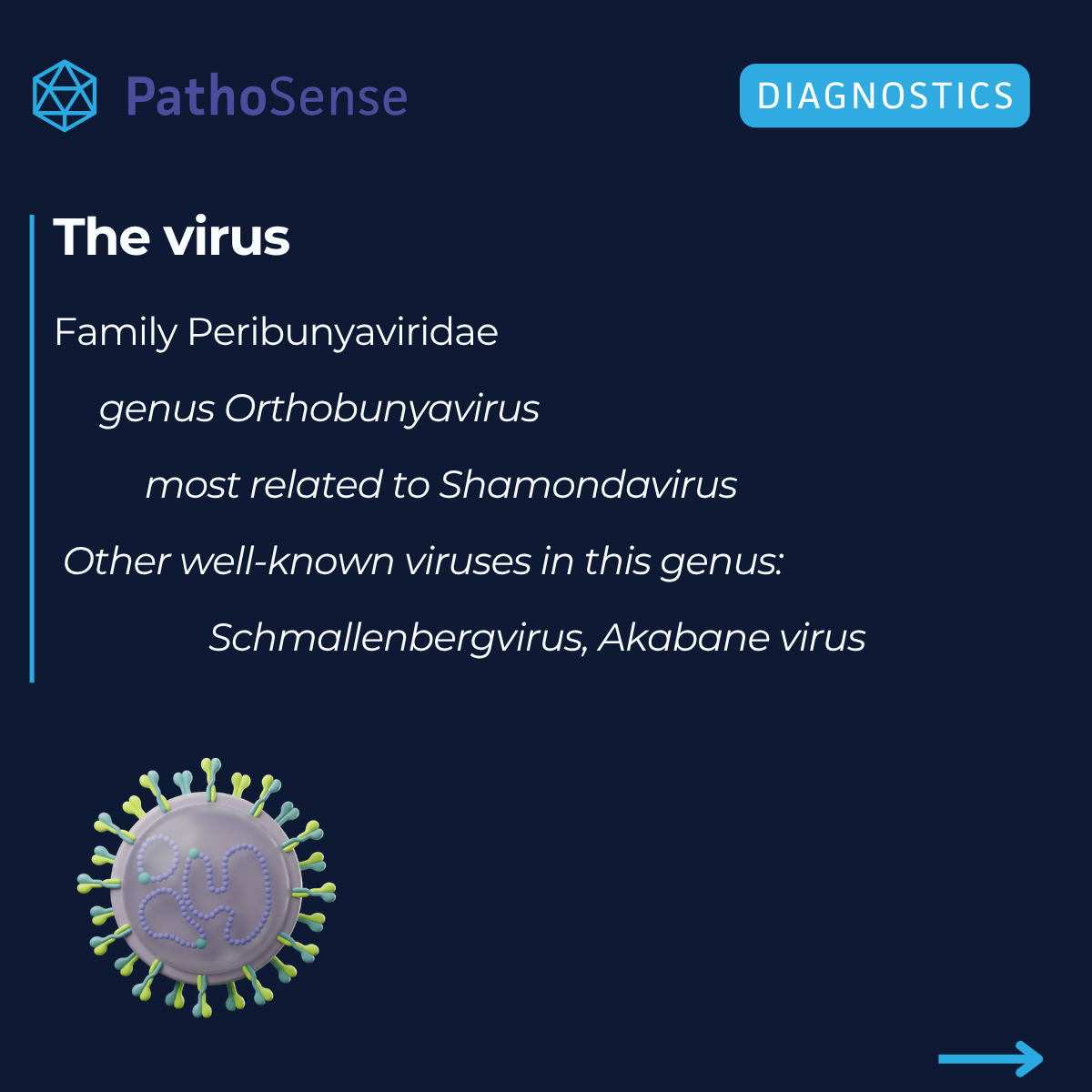
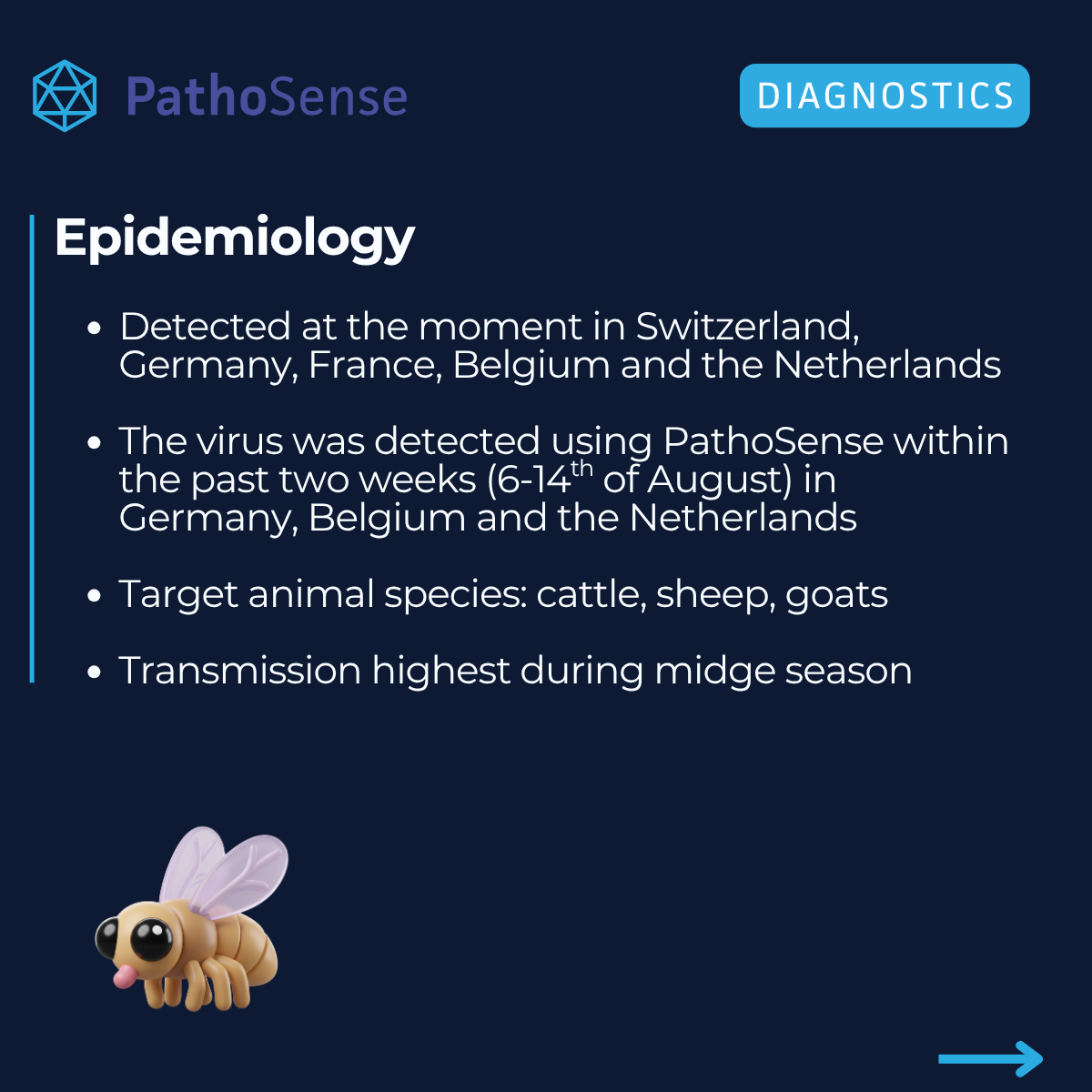
We like to keep the vets informed about emerging pathogens, even ones outside their own species focus. A novel Shamonda-like virus is a good example: a newly arising orthobunyavirus in ruminants and horses that is spreading fast this Summer through Europe. Shamonda-like virus is an orthobunyavirus of the Simbu serogroup that was detected early this year by the Friedrich Loeffler Institute in cattle in Germany press release. The virus is distinctly related to Schmallenberg virus, another orthobunyavirus that caused serious reproductive problems in European cattle a few years ago. Since this Summer, the virus has been detected further in Germany, Switzerland and France in cattle and small ruminants. In August, PathoSense detected this virus in the more northern parts of Western Europe via their network of partner laboratories: in Germany (Rheinland-Pfalz) with SAN Vet Europe, in the Netherlands together with Royal GD, and in Belgium with Dierengezondheidszorg Vlaanderen - DGZ. The virus has later also been confirmed in Austria and Liechtenstein.
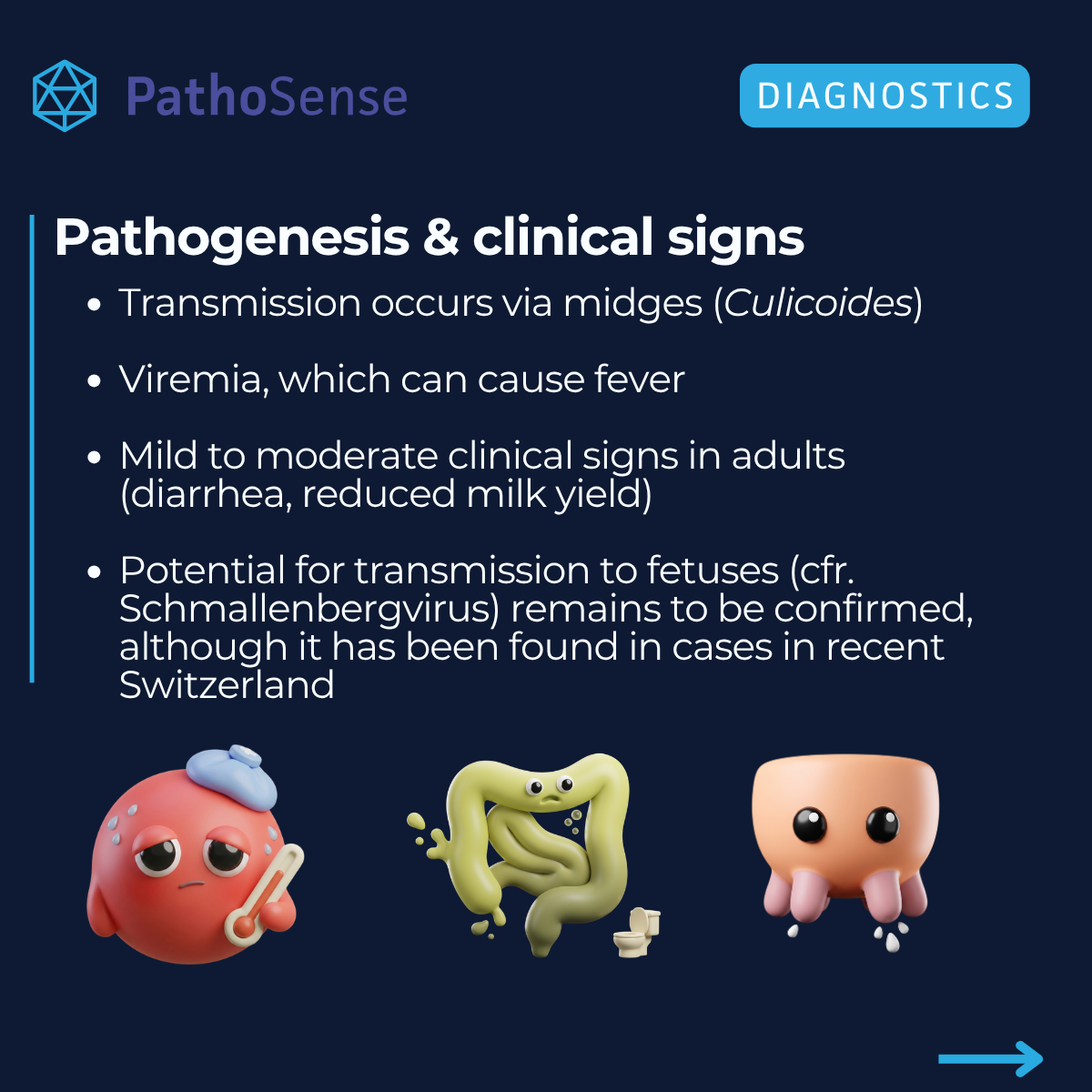
This Shamonda-like virus is transmitted by Culicoides biting midges, the same vector-borne infection route as bluetongue and Schmallenberg. The viruses cause a short viremia, which can lead to fever in the acute phase of the infection. Also observed clinical signs are a sharp drop in milk yield and reduced appetite and watery diarrhoea. Veterinarians indicate that the clinical picture is often difficult to distinguish from other diseases. As with Schmallenberg virus, there is also a reproductive risk: the virus can cross the placenta, so infection of pregnant animals may lead to abortion, stillbirth or congenital malformations (limb, spinal and brain abnormalities). This teratogenic potential is documented for Shamonda virus, which caused congenital malformations in calves in southern Japan (2017) and an aborted goat fetus in South Africa (2023). How severe this is for the current Shamonda-like virus that is circulating in Europe is under investigation.

Where the virus in the first months affected primary cattle and other ruminants, It remains primarily a cattle virus, the IVI in Switzerland and later also the FLI in Germany reported the detection in a horse with central-nervous-system signs. At the moment there are no indications that other animal species, such as pigs, or humans can be a target species.
Scientific groups from the affected countries are now joining forces to collect all available (genetic) information and to analyse the circulating strains in more depth, so the picture will keep sharpening in the coming weeks.
This is also a reminder of what untargeted metagenomic sequencing makes possible: it identifies novel and unexpected agents regardless of host species, which is exactly how these Shamonda-like cases were diagnosed at first. We will keep you posted as the surveillance work reports on the strains in circulation.